01●
Prescribing cascades
When a side effect from one medication is mistaken for a new condition, another prescription often follows. In older adults, that chain can quietly escalate risk.
Building transparent, clinically grounded AI for the patients most often overlooked.
Founder of Mosaic Health Solutions. Health-informatics graduate student focused on medication safety for older adults.
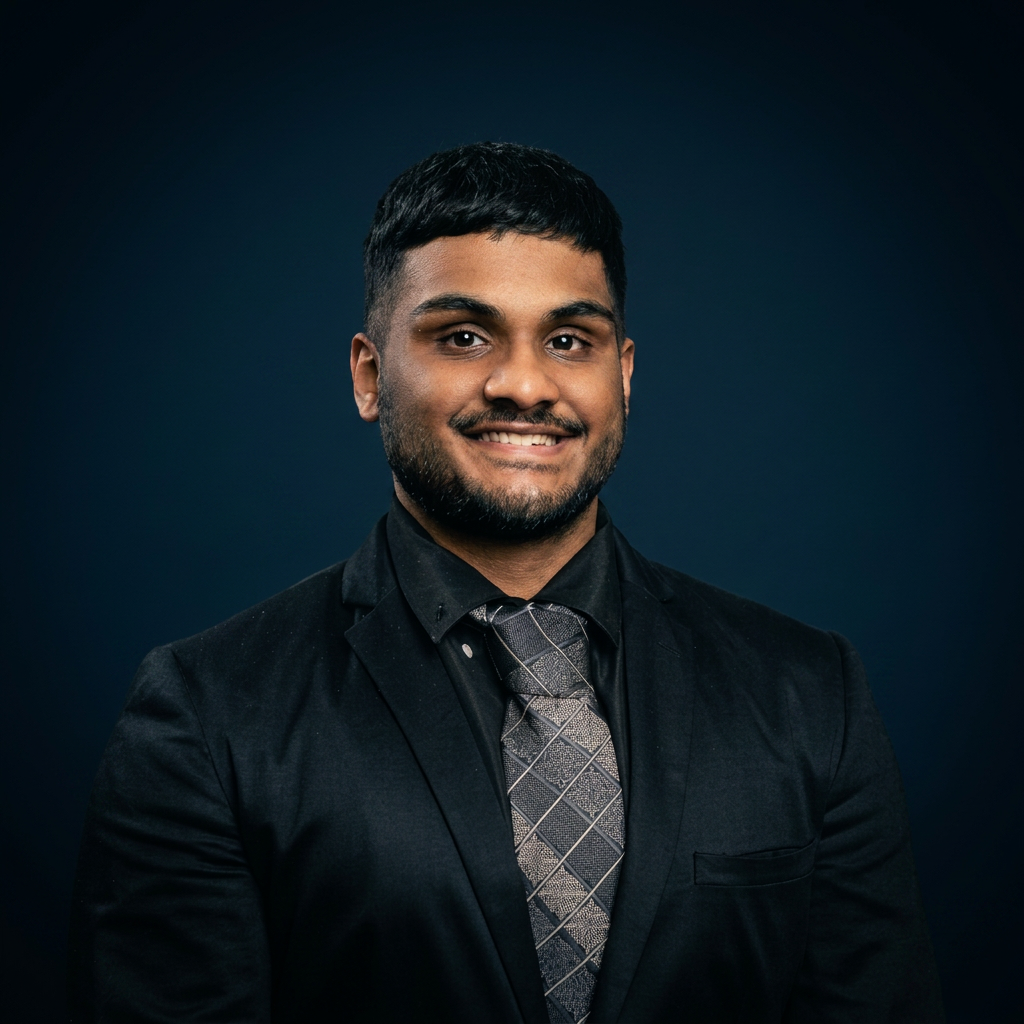
Nihit Gurram works at the intersection of clinical practice and applied AI. A health-informatics graduate student with a medical-school background, he founded Mosaic Health Solutions to build clinical decision support that catches medication-related risk in older adults before it causes harm.
His approach centers on transparent, explainable systems that keep clinicians in control rather than replacing their judgment. He brings together formal informatics training, hands-on product development, and a long-term commitment to improving how aging populations are cared for.
The throughline of his work is patient safety made practical, grounded in clinical reality, with a goal of democratizing healthcare access.
Mosaic Health Solutions builds AI-powered clinical decision support that helps clinicians catch medication-related risk in older adults before it causes harm. By translating established clinical criteria into transparent, explainable tools at the point of care, the company focuses on the prescribing cascades, anticholinergic burden, and fall risk that disproportionately affect aging patients.
Its mission is to make preventive medication safety practical for the clinicians and families who need it most.
When a side effect from one medication is mistaken for a new condition, another prescription often follows. In older adults, that chain can quietly escalate risk.
Cumulative exposure to anticholinergic medications is associated with cognitive and functional decline. The burden is often invisible across a patient's full regimen.
Certain medications meaningfully increase fall risk in aging patients. Surfacing that risk in context, at the point of care, is a tractable safety problem.
Tools that show their reasoning, cite their sources, and keep clinicians in control. The goal is augmenting judgment, not replacing it.
The best way to reach Nihit is on LinkedIn. He is open to conversations with clinicians, researchers, operators, and investors working on patient safety, geriatric care, and explainable healthcare AI.
Email (placeholder) / hello@nihitgurram.com